Everest Base Camp Trek: A Complete Guide for First-Timers
The Everest Base Camp (EBC) Trek is the most iconic trekking route in the world, taking you from the airstrip at Lukla (2840m) all the way to Base Camp at 5364m. This 14-day round trip passes through Sherpa villages, ancient monasteries, and the dramatic Khumbu Glacier. Here’s our complete guide for first-timers.
The Route
The classic EBC trek covers 130km round trip from Lukla. Day 1 is the easy walk to Phakding (2610m). Day 2 brings the first big climb to Namche Bazaar (3440m), where you’ll spend two nights for acclimatization. From there, the trail climbs gradually through Tengboche (3867m), Dingboche (4410m), and Lobuche (4940m) before reaching Gorak Shep (5164m) and finally Base Camp (5364m).
Best Time to Trek
The two peak seasons are pre-monsoon (March to May) and post-monsoon (October to November). October offers the clearest mountain views but is the busiest month. April-May brings warmer days and blooming rhododendrons. Winter trekking (Dec-Feb) is possible but cold with snow risk.
What to Pack
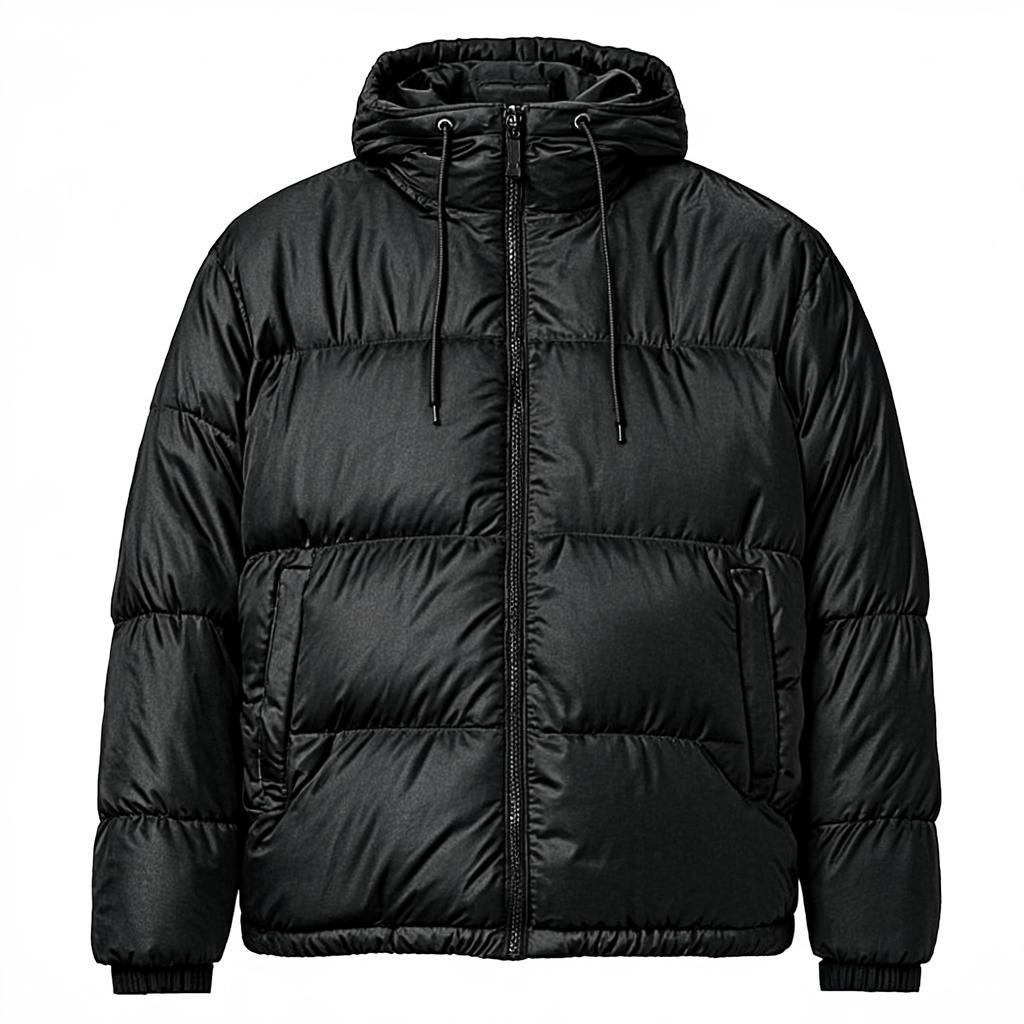
You need serious gear for EBC — temperatures at Gorak Shep drop to -20°C at night. The essentials: a -15°C down sleeping bag, an 800-fill down jacket, layered base layers, a 65L backpack, trekking poles, and Cat 4 sunglasses. Our EBC gear package includes everything you need for one flat daily rate.
Acclimatization
Altitude is the biggest challenge on EBC. Build in two acclimatization days (Namche and Dingboche) and follow the golden rule: climb high, sleep low. Carry Diamox, drink 4L of water daily, and descend immediately if you get a headache that won’t go away or any nausea.
Permits & Costs
You need two permits: the Khumbu Pasang Lhamu Rural Municipality Entrance Permit (NPR 2000) and the Sagarmatha National Park Entry Permit (NPR 3000 + NPR 1000 local government tax). Budget about USD 1500-2000 for the full trek including flights, food, lodging, and gear.
Final Tips
Walk slowly — pole, pole as the Sherpas say. Drink plenty of garlic soup at tea houses (it helps with altitude). Carry a power bank and solar charger. Most importantly, listen to your body and don’t push through altitude symptoms.
Leave a Reply