Best Down Jackets for Himalayan Trekking
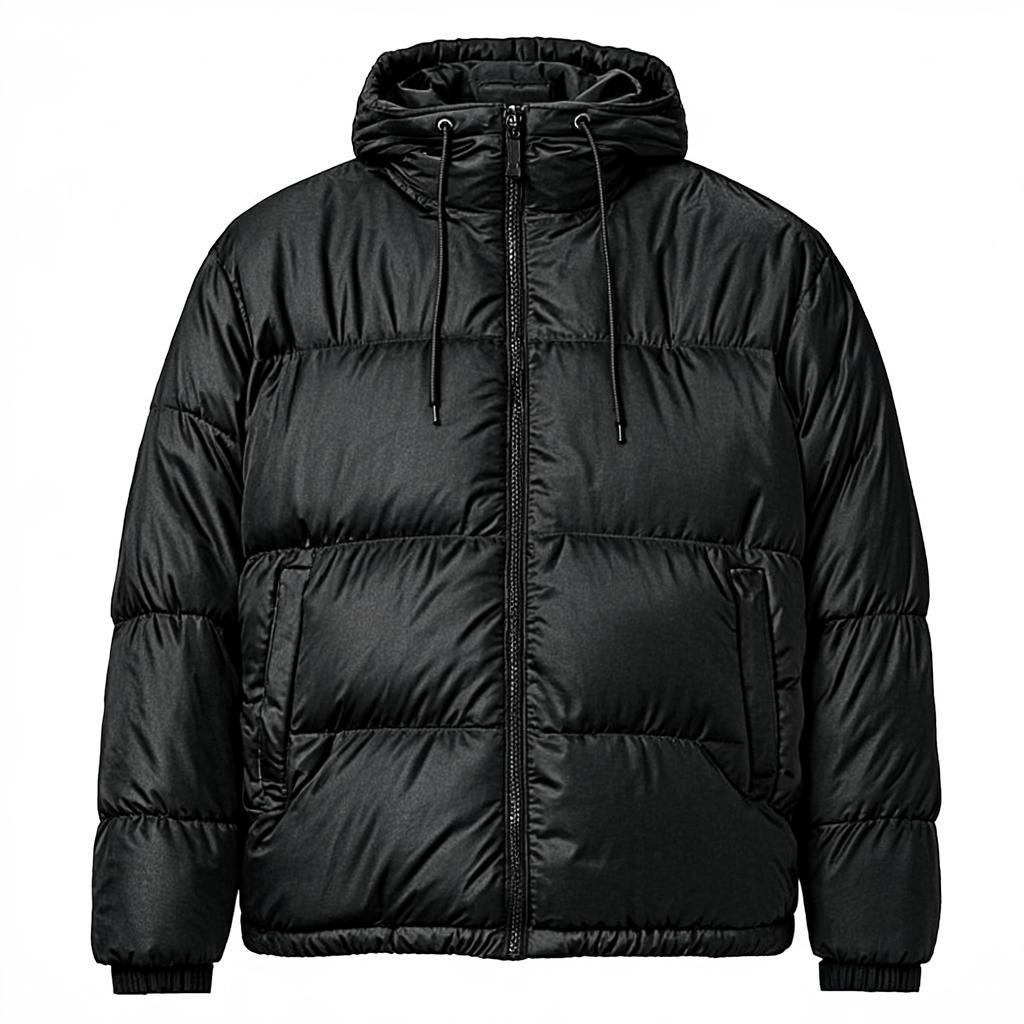
A good down jacket is the single most important piece of gear for Himalayan trekking. Here’s how to choose.
Fill Power (FP)
Fill power measures down loft — higher FP means more warmth per gram of fill. 600 FP is basic, 700-800 FP is premium, 900+ FP is expedition-grade. For Nepal treks, 700-800 FP is the sweet spot.
Fill Weight
This is the actual weight of down inside the jacket. A 800-FP jacket with only 100g of fill is lighter and less warm than a 600-FP jacket with 200g of fill. Always check both.
Temperature Ratings
Down jacket ratings are notoriously unreliable. Our general guidance:
- -5°C jacket: For tea-house treks at moderate elevation (Poon Hill, Langtang, Mardi Himal). 100-150g of 600-700 FP down.
- -15°C jacket: For EBC, ABC, Manaslu, Gokyo. 200-250g of 700-800 FP down.
- -25°C jacket: For winter treks, Kanchenjunga, Mera Peak. 300g+ of 800-850 FP down, often with a hood and draft tubes.
Hood
Always choose a jacket with an insulated hood — 30% of body heat is lost through the head. The hood should adjust tight enough to seal out wind.
Shell Fabric
Look for ripstop nylon or polyester with a DWR (durable water repellent) treatment. Higher-end jackets use Pertex Quantum or Pertex Endurance for wind and water resistance.
Baffles
Box baffles (sewn-through with horizontal pockets) are warmer but heavier. Sewn-through baffles are lighter but create cold spots at the seams. For high altitude, choose box baffles.
Our Top Picks
- Trekgear -20°C Down Jacket — 800-fill, 680g, best for EBC and Manaslu
- Puffer Vest — for tea-house warmth in lower valleys
- Softshell Jacket — for active trekking in moderate cold
Care
Wash down jackets sparingly — once per season at most. Use a down-specific detergent, tumble dry on low with tennis balls to restore loft. Store uncompressed.
Leave a Reply