Winter Trekking in Nepal: Cold-Weather Gear and Routes
Winter trekking (December-February) in Nepal offers empty trails, crystal-clear views, and a completely different experience. But it requires serious cold-weather gear and route selection.
Best Winter Treks
Poon Hill (4 days): Max elevation 3210m. Cold but manageable. Great for first-timers.
Mardi Himal (5 days): Max elevation 4500m. Beautiful in winter, with snow on the peaks.
Annapurna Sanctuary lower reaches: Up to Chhomrong or Bamboo. Higher up (ABC itself) gets very cold and snow-prone.
Langtang Valley: Kyanjin Gompa at 3870m is doable in winter. Kyanjin Ri (4773m) requires crampons.
Everest View Trek: Up to Namche and Tengboche. Beyond Tengboche, the cold gets serious.
Treks to Avoid in Winter
- Annapurna Circuit (Thorong La often closed)
- Manaslu Circuit (Larkya La closed)
- Three Passes (all three passes closed)
- Kanchenjunga (impassable)
- Upper Dolpo (impassable)
Winter Gear
Winter treks require colder-rated gear than shoulder seasons:
- Sleeping bag: -20°C minimum (we rent the -25°C expedition bag)
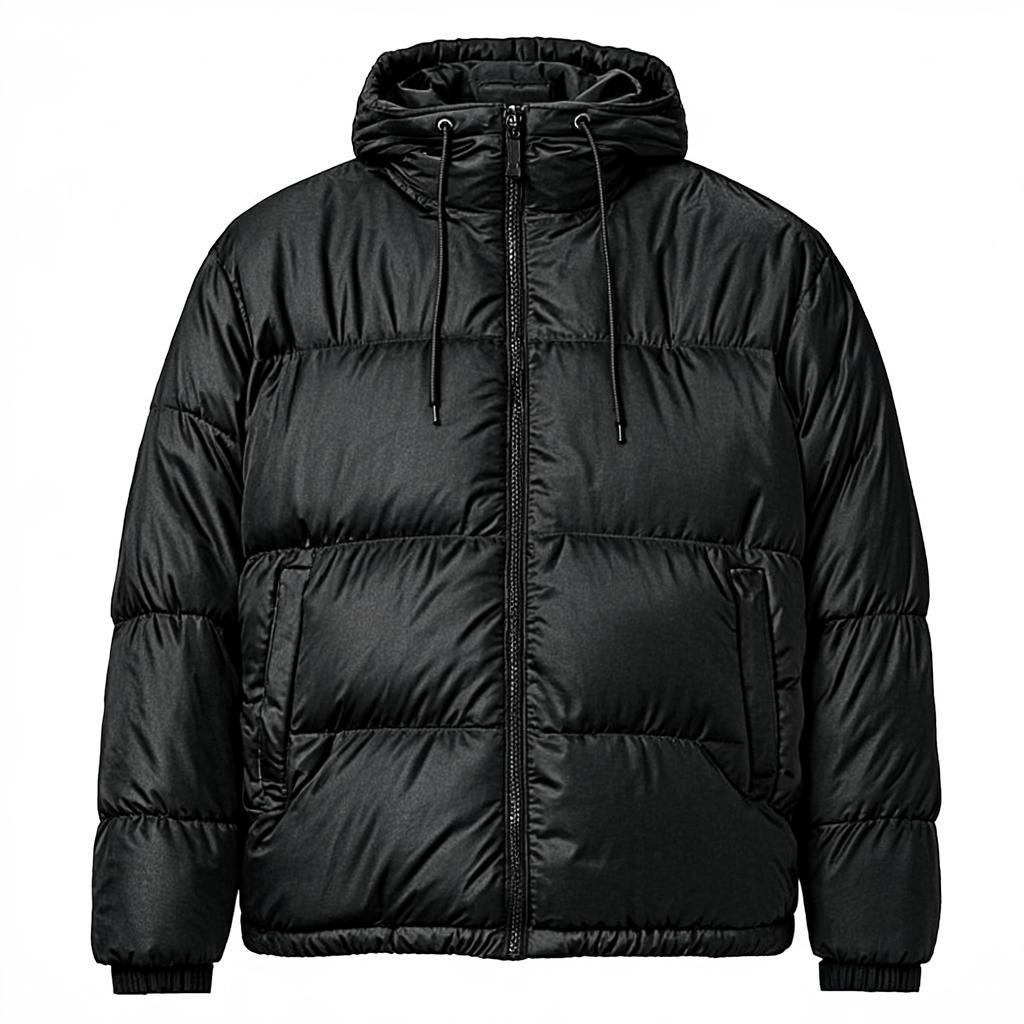
- Down jacket: -25°C rated with hood
- Insulated pants: For high-elevation evenings
- Double boots or 4-season boots with warm insoles
- Balaclava + insulated gloves + spare gloves
- Crampons for any pass or high-elevation day hike
- Thermos to keep water from freezing
- 4-season tent if camping
What to Expect
Temperatures: Daytime 5-10°C at 3000m, -10°C at 4500m. Nighttime -5°C at 3000m, -20°C at 4500m.
Snow: Possible at any elevation. Passes may close for days. Be flexible.
Tea houses: Many tea houses close for winter. Those that stay open often have only the dining room heated.
Daylight: Only 10-11 hours of daylight. Start early, finish early.
Crowds: You may have entire villages to yourself.
Safety
Winter trekking requires more planning. Carry a satellite messenger, leave your itinerary with someone in Kathmandu, and be prepared to wait out storms. Never attempt a closed pass — the snow can hide crevasses and ice.
Leave a Reply