Tea House Trekking: What to Expect on the Trail
Tea houses are the backbone of Nepal’s trekking infrastructure. Here’s what you need to know.
What Is a Tea House?
A tea house is a family-run mountain lodge that provides food, lodging, and drinks to trekkers. Most tea houses offer shared bedrooms (2 single beds), a communal dining room with a wood stove, and shared squat toilets. Higher-end tea houses have private rooms, attached bathrooms with hot showers, and even WiFi.
Cost
Room rates range from NPR 200-500 (USD 2-4) per night in lowland tea houses to NPR 1000-2000 (USD 8-16) at altitude. At very high altitude (Gorak Shep, Gokyo), rooms may be free if you eat dinner at the tea house — this is a “room for food” arrangement.
Food
Tea house food is consistently good across Nepal: dal bhat, momos, chow mein, fried rice, Tibetan bread, eggs, and porridge. Budget USD 25-35/day for three meals plus tea/coffee. Prices rise with altitude — a dal bhat that costs NPR 400 at Lukla is NPR 900 at Gorak Shep.
Drinks
Tea is the universal drink — milk tea, black tea, lemon tea, ginger tea, masala tea. Coffee is instant (Nescafe) and costs USD 2-4 per cup. Safe drinking water is available for USD 1-3 per liter (boiled, filtered, or bottled). Avoid alcohol above 3000m.
Heating
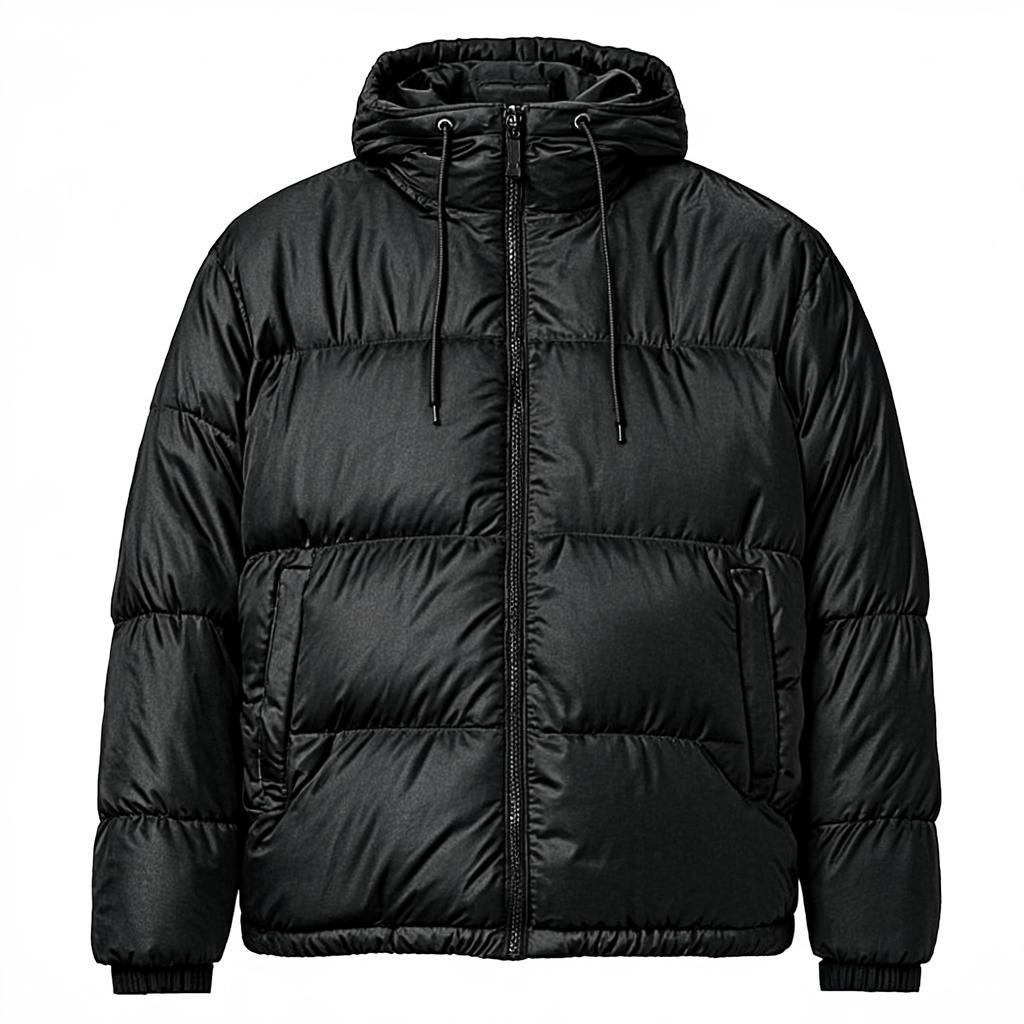
Tea house dining rooms are heated by a wood or yak-dung stove, lit at 5-6pm and extinguished at 8-9pm. Bedrooms are unheated — that’s why you need a -15°C sleeping bag. Bring a down jacket for the dining room in the evening.
Toilets & Showers
Most tea houses have shared squat toilets; some have western-style toilets. Toilet paper is not always provided — bring your own. Hot showers cost USD 2-5 (gas-heated or solar). Bring a quick-dry towel.
Electricity & Charging
Most tea houses have hydro or solar electricity. Charging costs USD 2-5 per device per hour. Bring a power bank to charge overnight in your room. WiFi is available at USD 2-5 per device — but is slow and intermittent.
Etiquette
- Remove boots before entering the dining room.
- Order meals early — kitchens are small and cooking takes time.
- Don’t expect room service — you eat in the dining room.
- Be respectful of the family’s private space.
- Tip the cook/staff at the end of your stay (NPR 100-200).
Leave a Reply